Midlothian's Local Foundation & Waterproofing Specialists
Basement Wall Crack Repair in Midlothian, VA
Call for a free estimate:(804) 635-3006
Basement Wall Crack Repair overview
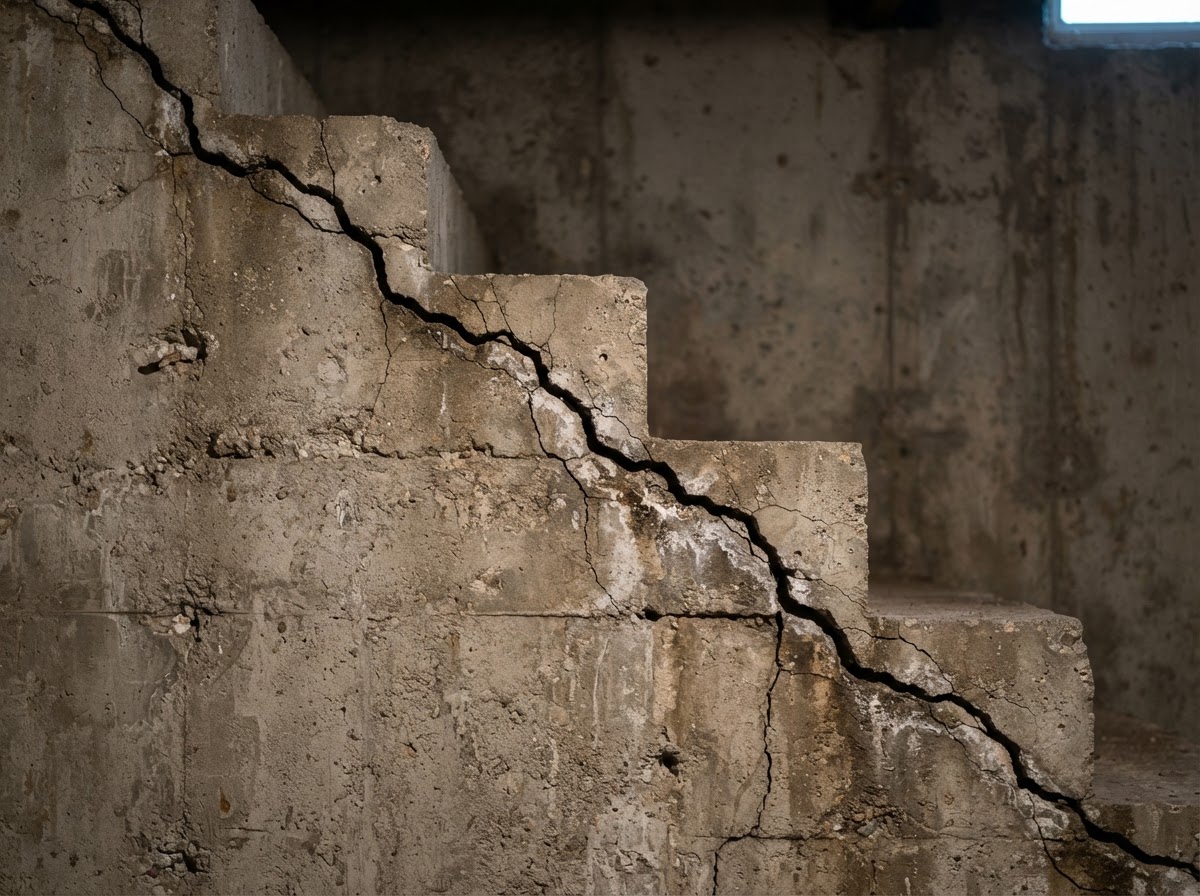
Basement wall cracks come in a few shapes, and the shape tells you a lot. Vertical cracks are often shrinkage and usually low-risk. Diagonal cracks often point to settling at one corner. Horizontal cracks can signal soil pressure bowing the wall inward and are the ones to take seriously. We diagnose which cracks are cosmetic, which are structural, and which warn of a bigger problem — then seal and repair them with methods like crack injection that match the crack and the wall.
Proud to Serve Midlothian & the Chesterfield–Tri-Cities area
We bring basement wall crack repair to homeowners across Midlothian and the surrounding communities.
What's Included
Crack diagnosis
We identify whether a crack is shrinkage, settling-related, or a sign of inward wall pressure — and how urgent it is.
Crack injection & sealing
We inject epoxy or polyurethane into poured-concrete cracks to seal them against water and restore integrity.
Block wall crack repair
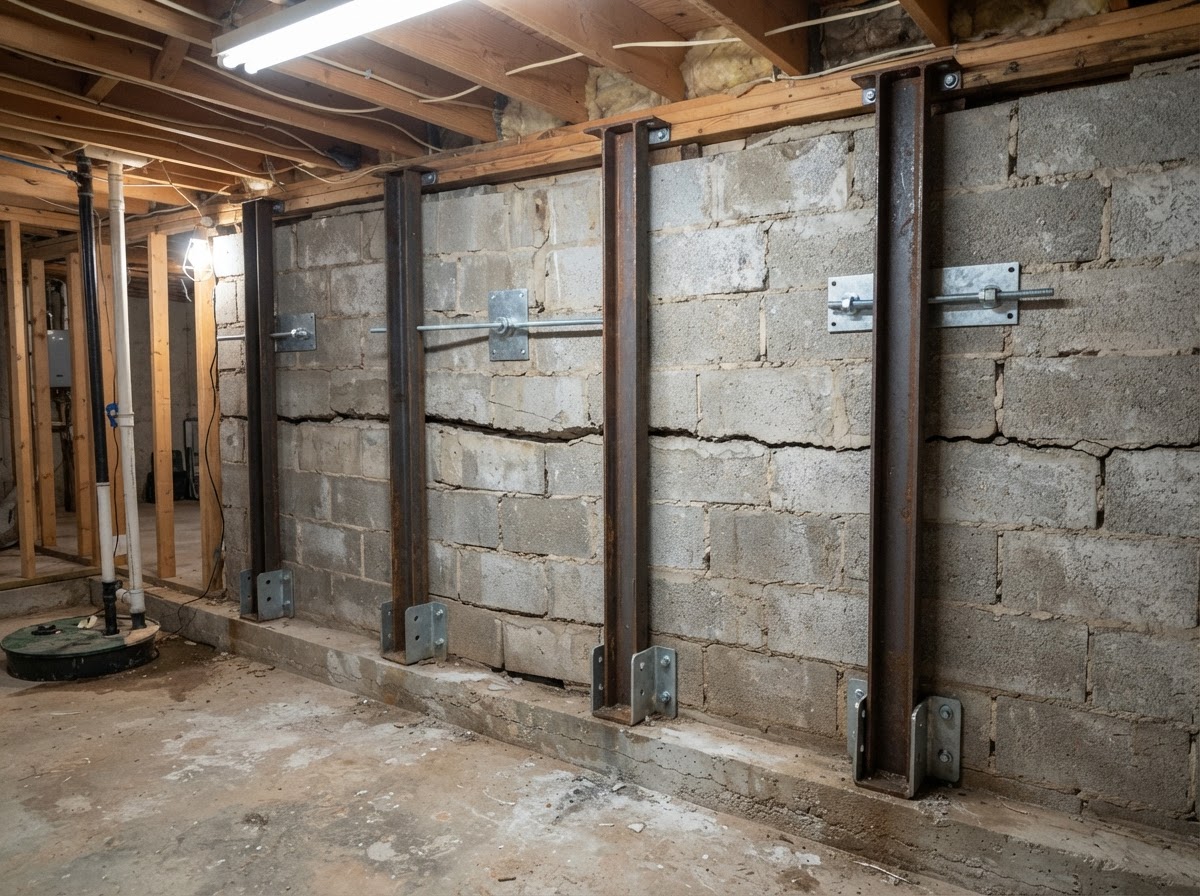
Cracks in concrete block walls need a different approach than poured concrete — we repair them appropriately.
Structural referral when needed
If a crack signals bowing or settling, we connect it to the right structural fix instead of just sealing it.
Why This Happens in Midlothian
Cracks in basement walls here usually trace back to soil, water, or simply how concrete cures. Fresh poured concrete shrinks as it cures, so thin vertical shrinkage cracks are common and often harmless. But our soils drive the more serious cracks. West of the Fall Line, the Piedmont red clay around Midlothian and Powhatan swells when wet and shrinks when dry, which can push and pull on a wall enough to crack it. East of the line, sandier Coastal Plain soils and higher water tables add steady pressure.
Diagonal cracks often appear when one corner of the foundation settles more than the rest, so the wall twists slightly and cracks toward the corner. Horizontal cracks are the ones to watch: they usually mean wet soil is pressing the wall inward, and the wall is starting to bow. With 40+ inches of rain a year and heavy summer storms, that pressure builds repeatedly. A crack is a symptom — the question is whether it's harmless shrinkage or a warning that the wall or the soil behind it needs attention.
How to Help Prevent It
Reduce soil pressure by managing water: keep gutters clear and extend downspouts away so the soil against the wall isn't constantly soaked.
Grade the ground away from the foundation so water drains off rather than saturating the soil that presses on the wall.
Note any crack's width and length when you first see it, and check it over time — a crack that's growing or widening needs prompt attention.
Pay special attention to horizontal cracks; if one appears, have it inspected quickly, since it can signal the wall is bowing inward.
Cost Guide
Every home and every repair is different, so we price from a real inspection — never a guess over the phone. Here's what shapes the cost.
| Repair type | Typical price range | What affects the cost |
|---|---|---|
| Crack inspection & diagnosis | Free quote after inspection | Determines crack type, cause, and whether it's cosmetic or structural. |
| Crack injection (poured concrete) | Free quote after inspection | Crack length and width, number of cracks, and injection material used. |
| Block wall crack repair | Free quote after inspection | Extent of cracking, whether blocks need replacement, and sealing method. |
| Structural crack repair | Free quote after inspection | When a crack signals bowing or settling, paired with the right structural fix. |
Why Choose Us for Basement Wall Crack Repair
We read the crack correctly
Not every crack needs repair — we tell you which are harmless and which warn of a real problem.
Right method for the wall
Poured concrete and block walls need different repairs; we match the method to what you have.
We don't just hide the symptom
If a crack signals bowing or settling, we connect it to the structural fix instead of sealing and walking away.
Ready to Protect Your Home?
Get a fast, no-obligation estimate from a local Midlothian crew that tells it to you straight.
Our Process
Inspection
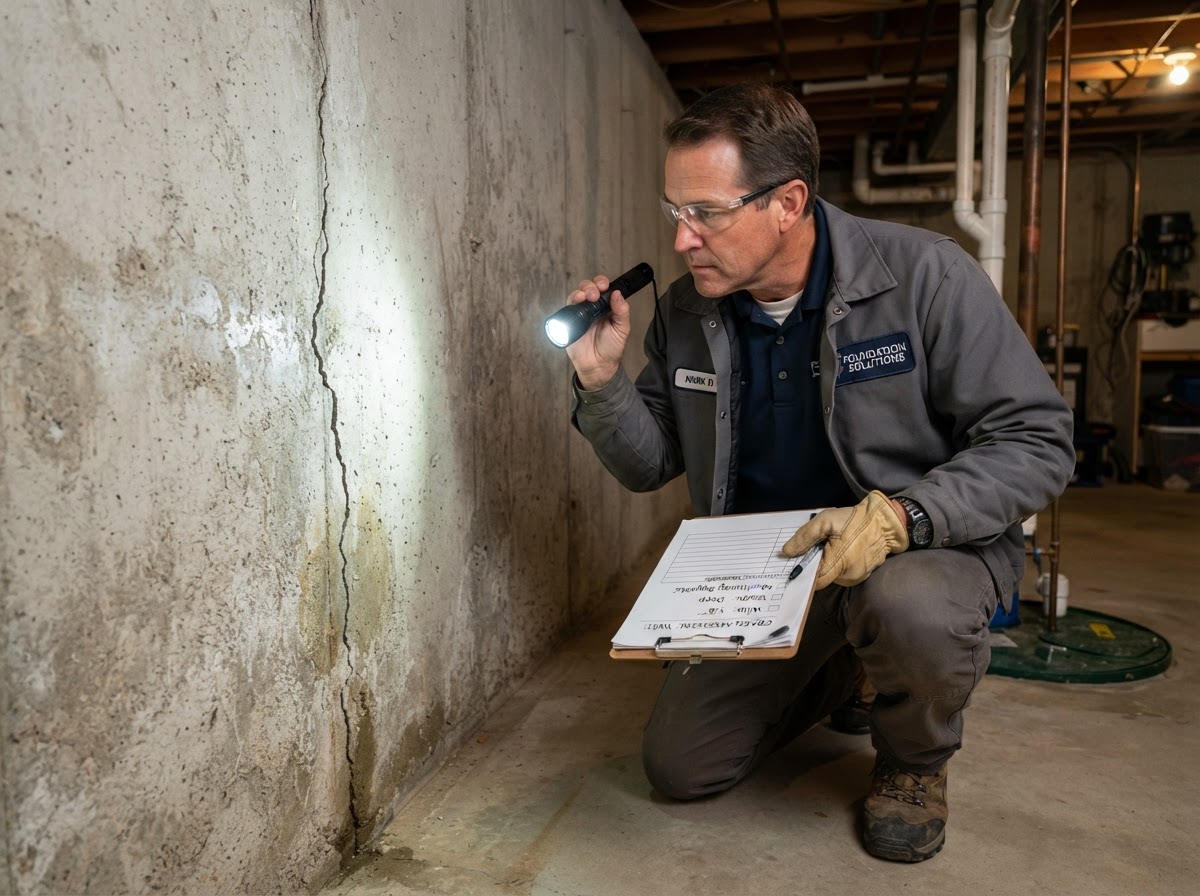
We measure and map each crack, identify its type and cause, and judge how urgent it is.
Plan & quote
You get a clear recommendation — seal it, inject it, or address an underlying structural issue — with an itemized quote.
Repair
We clean the crack, inject or seal it with the right material, and restore the surface.
Follow-up
We explain what to watch for going forward and whether any related repair is recommended.
Is a basement wall crack serious?
It depends on the crack. Thin vertical cracks are often just concrete shrinkage and usually low-risk. Diagonal cracks can point to settling at a corner. Horizontal cracks are the ones to take seriously — they often mean wet soil is pushing the wall inward and it's starting to bow. Any crack that's widening, leaking, or paired with sticking doors or sloping floors should be inspected promptly.
What's the difference between vertical, diagonal and horizontal cracks?
Vertical cracks most often come from concrete shrinkage as it cures and are typically the least concerning. Diagonal cracks usually indicate one side or corner has settled more than the other. Horizontal cracks are the most serious — they frequently signal inward soil pressure and a wall that's bowing. The direction of the crack is a big clue to the cause and the urgency.
How do you repair a basement wall crack?
For poured-concrete walls, we often use crack injection — filling the crack with epoxy or polyurethane to seal it against water and restore integrity. Block walls need a different approach since the cracks follow mortar joints. If a crack is structural — tied to bowing or settling — sealing alone isn't enough, and we connect it to the right structural repair.
Should a crack that isn't leaking still be repaired?
Often yes, as prevention. A non-leaking crack can still let in humidity and may widen over time, and a sealed crack is easier to monitor for new movement. But the decision depends on the crack's type and cause — a harmless shrinkage crack may not need anything, while a crack that's growing should be addressed regardless of whether it's currently dry.
Our Other Services
Need more than one thing? We handle the full range of foundation, basement and crawl space work.
Get Your Free Estimate
Tell us what you're seeing and we'll call you back quickly to schedule a no-obligation inspection. No pressure — just a straight answer about your home.
Prefer to call? Reach us at (804) 635-3006.